
Here is a scenario that SMME owners should fear! A former marketing coordinator decides they wish to leave your company, and worst still, on bad terms. The following morning, your sales team discovers that your company’s Facebook page, Instagram profile, and ad accounts are inaccessible. The passwords were tied to the ex-employee’s personal email address.
This is not a unique scenario that rarely happens across South African SMMEs. This is a terrifyingly common situation.
Business owners routinely treat social media accounts as informal marketing tools rather than core digital assets. They let junior staff, freelancers, or front-end agencies create business profiles using personal logins. When relationships end or credentials get compromised, the business loses its audience, its advertising history, and its brand reputation.
The True Cost of Informal Access
Front-end social media tactics focus purely on posting content. They ignore access architecture, administrative security, and risk governance.
When your social channels lack centralised administrative control, your business faces three major threats:
Reputational Exposure: Unvetted or compromised access allows bad actors to post directly to your audience, destroying years of client trust in minutes.
Instant Access Loss: Departing employees retain root control of profiles created under personal emails, forcing costly legal intervention or asset abandonment.
Ad Account Liability: If an unsecured ad account gets hacked, unauthorised credit card charges accrue rapidly in foreign currencies, crippling local cash flow.
Centralised Governance vs. Shared Passwords
Sharing a master password across your team is not a security plan, but an operational vulnerability.
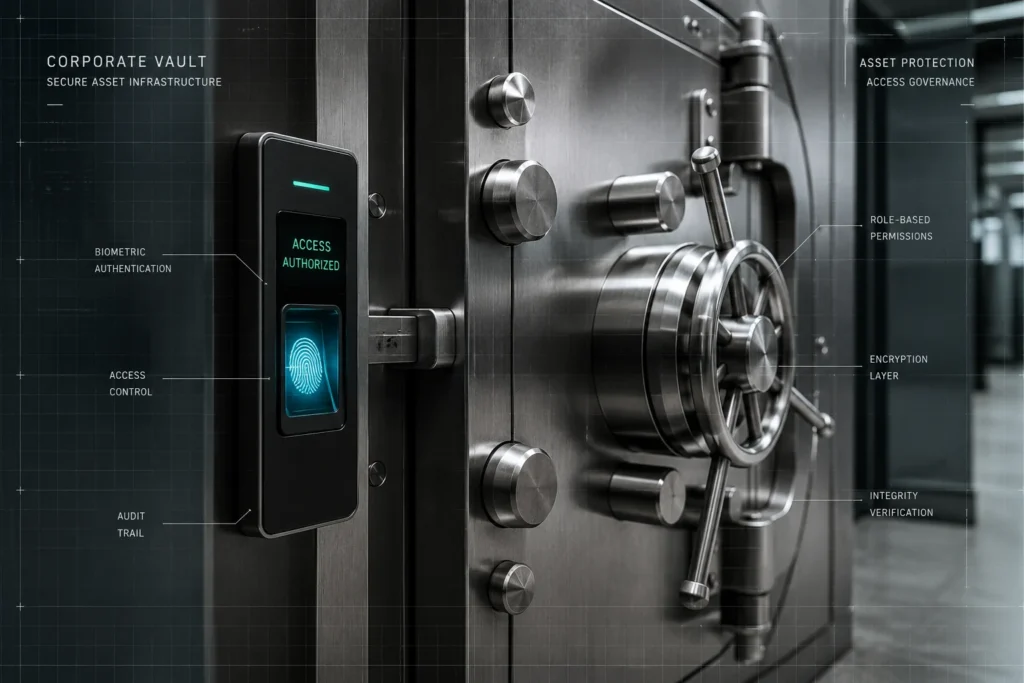
A professional growth ecosystem separates content creation from asset ownership. Your enterprise must hold master ownership inside a dedicated corporate business manager, granting individual team members only the specific permissions needed for their work.
Securing Your Social Infrastructure
Securing your social assets requires setting strict operational policies before running your next campaign.
1. Establish a Central Business Manager
Create centralised business manager accounts for Meta, LinkedIn, and Google using a core corporate email address (e.g., admin@yourcompany.co.za). Never allow an external contractor or employee to create a master account under their personal name.
2. Implement Role-Based Permission Layers
Assign access levels based on strict operational necessity. Content creators require “Partner” or “Task” access, not full administrative rights. Keep master administrative rights restricted to company owners.
3. Enforce Mandatory 2FA Protocols
Require every user connected to your corporate assets to enable two-factor authentication using an authenticator app. Eliminate SMS-based verification where possible to prevent SIM-swapping vulnerabilities.
4. Standardise Offboarding Procedures
Build social access removal directly into your HR employee exit workflow. Revoking access at the central business manager level instantly removes user entry across all connected assets without changing passwords.
Protect Your Brand Equity
Your social media channels are direct communication lines to your market. Treating them as secondary administrative tasks leaves your operational footprint exposed to unnecessary risk.
Apply structural security to your communication channels. Secure your primary owner accounts, enforce strict access protocols, and build a protected brand footprint your business completely controls.